Vintage Floral Sewing Machine Review
If you are an Etsy seller, boutique maker, or weekend craft fair vendor, you know that the difference between a design that sits on your shelf and one that flies off the table often comes down to visual appeal and production practicality. As an experienced embroidery designer who has spent years turning digital files into tangible goods, I recently reviewed the Vintage Floral Sewing Machine design with a critical eye. The goal was simple: determine if this embroidery file is worth the hoop time for creating high-margin handmade product inventory.
This review focuses on real-world application. We will look at how this design performs on common craft fair staples like tote bags, aprons, and tea towels, while evaluating its potential to drive sales in a competitive handmade market.
First Impressions and Aesthetic Appeal
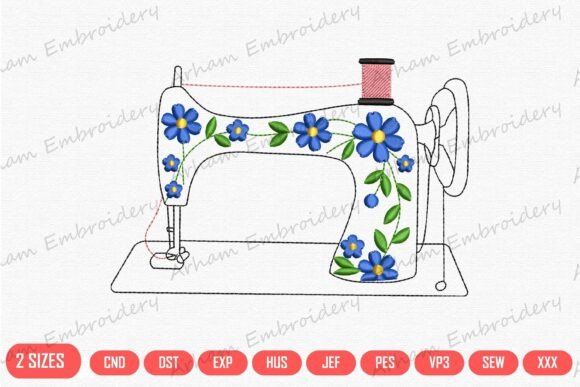
The title Vintage Floral Sewing Machine immediately suggests a specific aesthetic: nostalgic, creative, and deeply rooted in the Sewing Crafts community. When I first analyzed the concept, I envisioned a design that balances delicate floral elements with the mechanical charm of a classic treadle or vintage domestic machine. This combination is powerful because it appeals not just to sewers, but to anyone who appreciates farmhouse, rustic, or shabby-chic decor.
In a booth setting, visual clarity is king. Does this design read well from three feet away? Yes. The juxtaposition of soft flowers against the structured lines of a sewing machine creates a focal point that is both decorative and premium-feeling. It avoids being overly busy, which allows the intricate details of the machine to shine without overwhelming the viewer. For a crafth fair product, this level of detail signals quality. Customers can see the care put into the stitch work, which justifies a higher price point compared to mass-produced items.
Product Versatility and Sales Potential
One of the biggest questions designers face is whether a single digital embroidery file can support multiple product lines. The Vintage Floral Sewing Machine design proves highly versatile across several key categories:
- Tote Bag Design: This is perhaps the strongest application. Placing this design centrally on a canvas tote bag creates an instant statement piece. The size of the design allows it to act as a large focal point, making the bag look custom-made rather than generic. It photographs beautifully for online listings, capturing the essence of the creative lifestyle.
- Apron Embroidery: For the kitchen or studio, embroidering this on a denim or linen apron adds a touch of personality. It works exceptionally well as a chest-level accent. The theme resonates with home bakers and gardeners, expanding your customer base beyond just sewists.
- Tea Towel Embroidery: Small-scale applications here are charming. If the design scales down well without losing clarity, it becomes an affordable impulse buy at craft fairs. Tea towels are low-risk gifts, and this design elevates them from basic linens to keepsakes.
- Embroidered Patch: Creating a patch version of this design is a smart strategy. Patches can be applied to jeans, backpacks, or hats by customers later, adding value. They are also easy to ship and display in bulk bins at a booth.
- Fabric Pouches and Caps: On smaller items like zipper pouches or baseball caps, the design must be resized carefully. While it may lose some fine detail at very small sizes, the silhouette remains recognizable. These make excellent add-on items at checkout.
Photography and Online Presence
For the Etsy seller or digital creator, the ability to create a compelling printable mockup is crucial. The Vintage Floral Sewing Machine lends itself well to flat-lay photography. Imagine the embroidered item paired with spools of thread, scissors, or dried flowers. The color palette likely supports earthy tones, pastels, or monochrome schemes, giving you flexibility in styling your design assets. High-quality images of these mockups can significantly boost click-through rates on social media platforms like Pinterest and Instagram.
Production Practicality and Technical Considerations
As a designer, I do not just look at how a design looks; I look at how it stitches. The success of any commercial embroidery project depends on efficient production. Here are the critical technical factors to consider when digitizing and stitching this design.
Stitch Density and Detail
The description highlights "floral" and "sewing machine," implying a mix of satin stitches (for outlines) and fill stitches (for backgrounds). You must evaluate the stitch density carefully. If the floral elements are too dense, they may pucker lighter fabrics like cotton tea towels. Conversely, if the lines of the machine are too thin, they might disappear on textured fabrics. Always test the design on scrap fabric to ensure that tiny details remain crisp. If the design includes small lettering or intricate gears, verify that the minimum stitch length is sufficient to hold together during washing.
Fabric and Stabilizer Selection
The choice of fabric dramatically affects the final look. On a heavy canvas tote, the design will sit proudly on the surface. However, on a fabric texture like terry cloth or heavily woven linen, the stitches may sink in, reducing definition. To combat this, using the right stabilizer is non-negotiable. For stable fabrics, a cut-away stabilizer ensures longevity. For stretchy knits or delicate wovens, a tear-away or wash-away backing might be necessary to prevent distortion. Testing different stabilizers helps you maintain consistency across your small shop product line.
Hoop Size and Placement
Before committing to production, confirm the hoop size required for the original digitization. If the design is large, you may need a multi-hooping technique, which increases production time. Ensure that your machine’s hooping area accommodates the full design without awkward repositioning. Additionally, consider the placement on curved surfaces like caps. A design intended for a flat tote bag may distort if forced onto a curved cap brim without proper reshaping or stabilization techniques.
Commercial Licensing and Ethical Selling
Perhaps the most important step for any craft fair vendor or online seller is verifying the licensing terms. The product description provided does not explicitly state the commercial usage rights. It is vital to check whether the purchase includes a license for commercial embroidery. Some digital embroidery files are for personal use only, meaning you cannot sell the finished products. Others allow limited sales or require a separate commercial license. Assuming you have the right to sell is a risk that can lead to legal issues. Always seek written confirmation from the designer or platform regarding resale rights before producing inventory for profit.
Final Verdict for Sellers
The Vintage Floral Sewing Machine design holds significant promise for makers looking to expand their handmade product offerings. Its aesthetic bridges the gap between functional utility and decorative art, making it appealing to a broad audience. From a production standpoint, it requires careful attention to stitch density and fabric selection to ensure the highest quality finish.
For the best results:
- Create at least one real mockup to test scale and impact.
- Compare various thread colors to find the perfect contrast against your chosen fabrics.
- Inspect the stitch density closely to avoid puckering.
- Confirm all commercial licensing details before listing items for sale.
By treating this design with the same professional rigor you apply to your entire brand, you can turn the Vintage Floral Sewing Machine into a standout item that captures attention and drives sales at your next craft fair or online store launch.