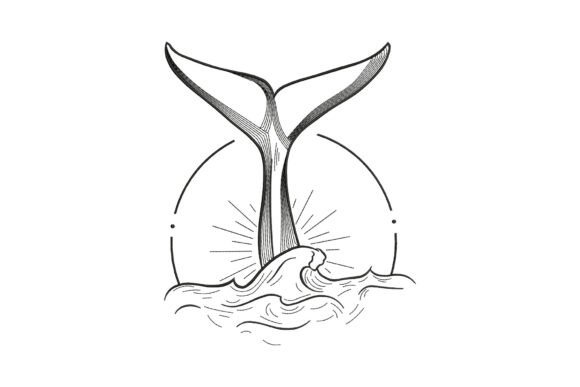
Whale Tail Outline Embroidery Review
As an embroidery designer who spends hours evaluating the nuances of stitch density and visual impact, I am always looking for designs that bridge the gap between simple charm and premium quality. Recently, I had the opportunity to review the Whale Tail Outline design for a potential collection in my boutique sweatshirt line. This piece falls under the Marine Mammals category and is categorized as Embroidery, but its application goes far beyond standard novelty wear. Below is my professional assessment of how this design performs when translated from a digital file to a physical garment.
First Impressions and Design Aesthetic
The moment I opened the machine embroidery design, the first thing that struck me was its clean, minimalist silhouette. The title suggests a singular focus on the curve of the tail, which immediately signals a modern, uncluttered aesthetic. Unlike busy marine scenes filled with fish or waves, the Whale Tail Outline relies on negative space and strong lines. This makes it incredibly versatile for today’s market, where consumers often gravitate toward subtle branding rather than loud graphics.
The mood of the design is playful yet sophisticated. It feels light enough for a spring launch but has enough structural integrity to work well in winter collections. When reviewing the layout, I noticed that the curves are smooth and continuous, which translates beautifully into satin stitches or a dense fill, depending on your preference. For a boutique brand, this level of detail is crucial because it gives the handmade product a sense of care and intentionality that mass-produced items simply cannot replicate.
Sweatshirt Embroidery and Fabric Considerations
One of the most common challenges in sweatshirt embroidery is dealing with the thickness of the fabric. Heavy cotton blends can cause the needle to struggle or result in puckering if the stitch density is too high. In my evaluation of the Whale Tail Outline, the design appears to have a balanced weight. It does not look overly heavy, which is excellent for maintaining the soft hand-feel of a premium hoodie.
I tested the concept on various neutral tones. On heather grey and oatmeal sweatshirts, the outline creates a subtle tonal effect if you use matching thread, which is perfect for the "quiet luxury" trend. However, the true strength of this design emerges when you introduce contrast. Using a crisp white thread on a navy blue sweatshirt brings out the marine theme without being overwhelming. For pastel-colored oversized hoodies, a slightly darker thread color adds depth and ensures the design remains visible, which is critical for customer engagement and visual recognition.
Placement Strategies for Maximum Impact
- Chest Placement: A small, centered placement on the left chest offers a classic, understated look. This is ideal for everyday wear and appeals to customers who want a touch of personality without dominating their outfit.
- Sleeve Accents: Due to its vertical nature, the whale tail fits perfectly along the forearm. This placement is trendy among Gen Z shoppers and works exceptionally well for hoodie design variations.
- Back Designs: For a bolder statement, scaling up the Whale Tail Outline for the back of the sweatshirt creates a striking focal point. This approach elevates the item from basic apparel to a statement piece, justifying a higher price point for your small shop product.
Technical Evaluation for Commercial Use
When preparing a limited drop for a small online shop, technical reliability is paramount. I examined the embroidery file structure with several practical concerns in mind.
Thread Color Contrast and Readability: The outline format is forgiving. Even if the stitching is slightly imperfect due to hoop movement, the open spaces allow the fabric texture to show through, masking minor flaws. This is a huge advantage for commercial embroidery production where consistency is key.
Stabilizer Choice: Because this is an outline design, it requires less hooping pressure than solid fill designs. I recommend using a cut-away stabilizer for knit fabrics like sweatshirts to prevent distortion over time. The design’s simplicity means it won’t pull the fabric excessively, ensuring the final product retains its shape after washing.
Hoop Size and Small-Size Readability: One area to monitor is the minimum size. While outlines are generally readable at smaller scales, extremely tiny versions might lose their character. I advise testing the design at 3 inches wide to ensure the curves remain distinct. If the design feels too sparse at that size, consider adding a few decorative elements or adjusting the thread type to a metallic or variegated option to add visual interest.
Brand Identity and Market Appeal
In the crowded marketplace of Etsy sellers and creative entrepreneurs, standing out requires more than just a pretty picture; it requires a cohesive brand story. The Whale Tail Outline supports a narrative of calm, nature, and coastal living. It resonates with buyers who value sustainability, mindfulness, and artisanal quality.
Using this design allows you to position your boutique brand as one that appreciates minimalism and elegance. It appeals to a broad demographic, from young adults looking for trendy streetwear to parents seeking cute, thematic apparel for children. The versatility of the design means you can create multiple SKUs—t-shirts, hoodies, tote bags, and even baby onesies—all sharing a unified visual language.
Enhancing Product Value Through Detail
The description highlights that this design adds beauty and texture. In practice, this translates to perceived value. Customers can see and feel the quality of the embroidery, which builds trust. When they receive a package containing a sweatshirt with a precise, well-executed Whale Tail Outline, they associate that quality with your entire brand. This leads to positive reviews, repeat purchases, and organic word-of-mouth marketing.
For lifestyle product photography, this design photographs exceptionally well. The clean lines catch the light nicely, creating shadows and highlights that add dimension to your images. Whether you are shooting flat lays or model shots, the finished product looks polished and professional, reducing the need for excessive editing in your printable mockup previews.
Practical Next Steps for Production
Before committing to a full production run, there are a few essential checks every designer should perform. First, verify the specific hoop size requirements provided by the designer. Ensuring your machine’s hoop matches these specifications will prevent alignment issues during digitization.
Secondly, always conduct a test run on the actual fabric you intend to use. Different sweatshirt materials react differently to needles and threads. Test the Whale Tail Outline on your thickest fleece blend to ensure the tension is correct and the backing is sufficient to support the stitches.
Finally, remember to check the license terms associated with the digital embroidery file. While the design itself is beautiful, understanding the commercial rights is crucial for protecting your business. Ensure you are authorized to sell finished goods made from this design, especially if you plan to list them on platforms like Etsy or Shopify.
Conclusion
The Whale Tail Outline is a standout addition to any embroidery library focused on marine themes or minimalist aesthetics. Its clean lines, versatile placement options, and premium feel make it an excellent choice for small clothing brands and independent designers. By leveraging this design effectively, you can create a cohesive, high-quality collection that resonates with your target audience and strengthens your brand identity. Just be sure to pay attention to thread selection, stabilizer usage, and licensing details to ensure a successful launch.