Floral Embroidery Borders Motifs Review
As an embroidery designer who has spent years translating digital concepts into tangible, stitched reality for small businesses, I know that the difference between a "nice design" and a profitable product often comes down to one thing: versatility. Today, I am reviewing the Floral Embroidery Borders Motifs collection with a specific lens. This is not just about aesthetic appreciation; it is about evaluating how this embroidery file performs when applied to real-world commercial applications like branded patches, staff uniforms, boutique merchandise, and customer gifts.
The description promises a sophisticated, timeless touch with intricate flower patterns and ornamental designs. For small business owners, Etsy sellers, and merch creators, the question is whether these motifs can elevate brand identity without overwhelming the garment or accessory they are adorning. Let us dive into the practical realities of using this machine embroidery design in your production workflow.
First Impressions and Visual Personality
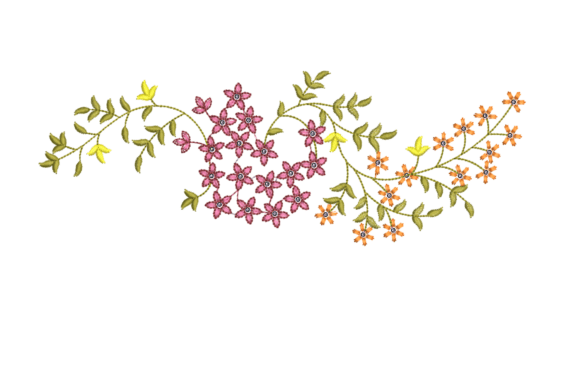
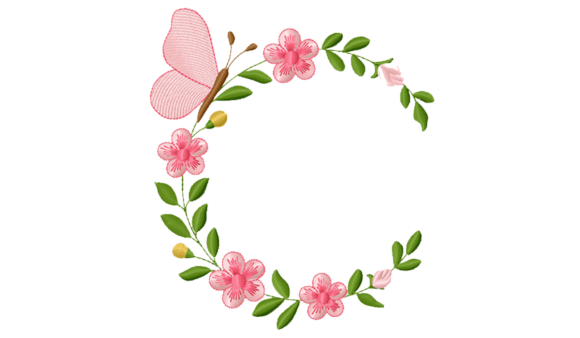
When you first load the digital embroidery file, the immediate takeaway is its elegance. The term "timeless" is used frequently in marketing, but in embroidery, timelessness translates to scalability and clarity. The Floral Embroidery Borders Motifs feel classic yet modern enough for contemporary brands. They are not overly rustic or aggressively bold; instead, they strike a balance that works well for professional environments while retaining a handmade charm.
This visual personality makes them highly adaptable. Whether you are designing for a local florist, a high-end bakery, or a creative studio, the intricate flower patterns suggest premium quality. The ornamental nature of the borders implies structure, which is crucial for maintaining shape during the stitching process. However, as any experienced designer knows, beauty on screen does not always equal success on the hoop. The intricacy mentioned in the description requires careful consideration regarding stitch density and fabric choice.
Real-World Business Applications
The true test of any design asset is its application across various merchandise types. Here is how Floral Embroidery Borders Motifs performs in key commercial scenarios:
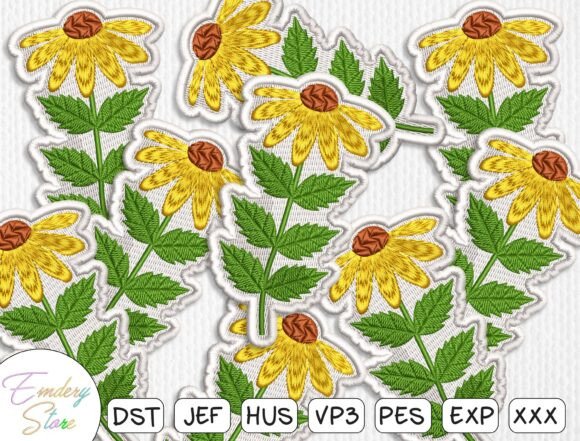
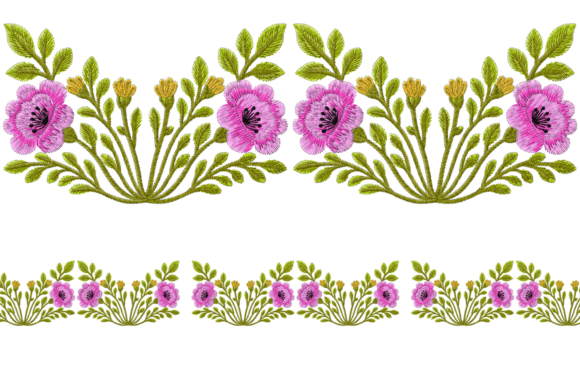
- Embroidered Patches: This is perhaps the strongest use case. The border format allows for clean edges that can be easily cut out and finished. These motifs work beautifully as chest logos or back-of-neck labels for boutiques. They add a layer of sophistication that mass-produced patches lack.
- Staff Uniforms and Aprons: For cafes and restaurants, subtle floral borders along the hem or cuff of aprons create a cohesive team look without being distracting. The design adds a touch of warmth and approachability, enhancing brand identity through visual consistency.
- Cap Embroidery: When scaled correctly, these motifs can serve as elegant accents on the side or back of caps. However, curvature must be managed carefully to prevent distortion.
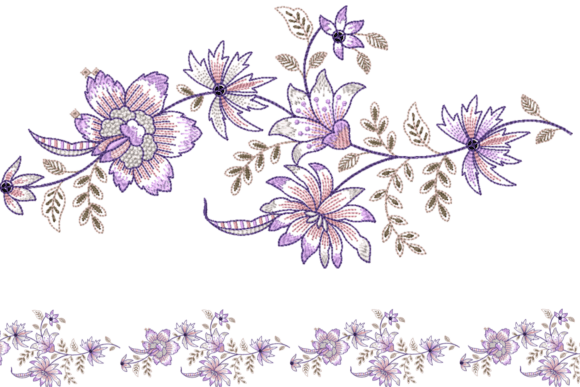
- Tote Bag Design: A continuous border running along the top edge of a canvas tote bag creates a striking, gallery-like presentation. This is excellent for small business merch targeting eco-conscious consumers who appreciate artisanal details.
- Product Packaging Accents: Beyond apparel, these motifs can be stitched onto cloth tags attached to packaging. This tactile element significantly boosts perceived value and encourages social media sharing by customers.
Strategic Placement for Maximum Impact
To maximize the effectiveness of this custom apparel design, placement is key. Using the motifs as sleeve details on work shirts offers a unique branding opportunity that stands out from standard chest logos. For event merch, incorporating these borders into hat bands or scarf hems ensures the design remains visible and stylish. It transforms simple items into memorable keepsakes that drive buyer engagement.
Critical Considerations and Potential Pitfalls
While the Floral Embroidery Borders Motifs are visually appealing, they come with technical constraints that must be addressed before production begins. Ignoring these factors can lead to costly mistakes and dissatisfied clients.
Small Patch Sizes: The description highlights "intricate" patterns. If you attempt to reduce this design to a very small patch size (under 2 inches), the fine details may merge together, creating a muddy appearance. Always ensure the final stitched area retains enough separation between elements to remain legible.
Stitch Density and Thread Colors: High stitch density can cause puckering, especially on lightweight fabrics. You must review the thread color contrast against your target fabric. On dark uniforms, light-colored floral threads may require additional underlay stitches to pop, which could increase bulk. Conversely, on textured fabrics, the definition of the ornamental designs might be lost.
Curved Surfaces and Tiny Lettering: If the design includes text, verify that it remains readable on curved surfaces like cap fronts. The intricate outlines may become difficult to distinguish if the curve is too aggressive. Additionally, items that require frequent washing, such as kitchen aprons, need robust construction. Delicate floral details may wear down faster than simpler geometric shapes, so consider reinforcing high-friction areas.
Impact on Brand Identity and Customer Trust
In the world of handmade products and boutique branding, presentation is everything. Using a high-quality embroidered patch featuring Floral Embroidery Borders Motifs signals attention to detail. It tells the customer that you care about the finishing touches, which directly influences their perception of professionalism and trust.
Consistent use of these design assets across your product line—whether on tote bags, caps, or tags—creates a unified visual language. This visual consistency reinforces brand recognition. When a customer sees the same elegant floral border on a coffee cup sleeve and a staff uniform, it builds a subconscious association with quality and reliability. This emotional connection is vital for converting one-time buyers into loyal advocates.
Practical Designer Notes for Production
Before committing to a full production run, follow these essential steps to ensure the finished product meets your standards:
- Test in Black and White: Convert the design to monochrome to check the balance of negative space. If the design looks cluttered in black and white, it will likely struggle in color.
- Check Small Scale Legibility: Zoom out to simulate the actual size of your intended patch or logo. Can you still distinguish the individual flowers and ornamental lines?
- Review Thread Color Contrast: Select thread colors that offer sufficient contrast against your base fabric. Test multiple combinations to find the optimal palette.
- Inspect Spacing and Hoop Size: Ensure the design fits within your standard hoop size without requiring excessive re-hooping, which can misalign the stitching.
- Test on Real Fabric: Never guess. Stitch the design on the exact fabric type you plan to use. Observe how the fabric texture interacts with the stitches.
- Use Proper Stabilizer: Depending on the fabric weight, choose the appropriate stabilizer (cut-away, tear-away, or water-soluble) to prevent distortion.
- Create a Printable Mockup: Generate a realistic mockup for client approval. This helps stakeholders visualize the final result and reduces revision cycles.
- Compare with Other Assets: Place the design beside your other brand graphics to ensure stylistic harmony.
- Confirm Commercial Licensing: Most importantly, verify the licensing terms of the embroidery file. Ensure you have the right to use Floral Embroidery Borders Motifs for commercial resale on your merchandise.
By following these guidelines, you can leverage the elegance of Floral Embroidery Borders Motifs to create high-value, professional-grade merchandise. This collection is more than just a decorative element; it is a strategic tool for enhancing your brand’s visual appeal and market positioning.