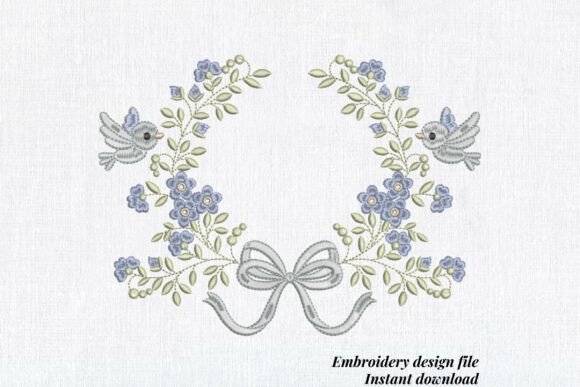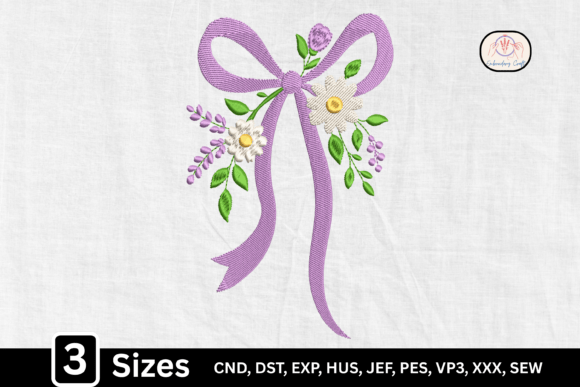
Coquette Ribbon Floral Lavender Bow
In the world of small business branding, every visual touchpoint matters. As an experienced embroidery designer who has reviewed thousands of digital files for commercial application, I look beyond aesthetics to evaluate functionality, durability, and brand alignment. Today, I am reviewing the Coquette Ribbon Floral Lavender Bow, a design that promises to add soft feminine charm to embroidery projects. This review focuses on how this specific embroidery file performs when applied to real-world small business merch, including branded patches, staff uniforms, caps, tote bags, and product packaging accents.
First Impressions: Visual Personality and Brand Alignment
The title "Coquette Ribbon Floral Lavender Bow" immediately sets a tone that is playful yet elegant. In the current market, the "coquette" aesthetic—characterized by ribbons, bows, and delicate florals—is highly sought after by handmade brands, boutiques, and creative studios. From a design perspective, this file appears to balance professionalism with approachability.
For businesses such as bakeries, florists, pet brands, or local cafés, this design offers a premium feel without being overly formal. The lavender color palette suggests creativity and calm, making it suitable for wellness brands or artisanal goods. However, designers must consider whether this visual personality aligns with their specific brand identity. If your business aims for rugged durability or minimalist corporate sleekness, this design may clash. But for brands seeking to convey warmth, attention to detail, and a handmade presentation, the Coquette Ribbon Floral Lavender Bow is a strong contender.
Real-World Business Applications
An embroidered patch or logo is not just decoration; it is a trust signal. Here is how this design translates across various merchandise categories:
- Branded Patches: This design works exceptionally well as a standalone patch. The bow and floral elements provide enough visual weight to be recognizable even at smaller sizes, making it ideal for attaching to denim jackets, backpacks, or customer gift boxes.
- Staff Uniforms and Aprons: For boutique retail or café environments, placing this design on the chest of a work shirt or the pocket of an apron adds a touch of personality. It humanizes the staff and makes the brand feel more inviting to customers.
- Cap Embroidery: A cap is a mobile billboard. The curved nature of a cap front can challenge intricate designs, but if the Coquette Ribbon Floral Lavender Bow maintains clean lines, it serves as a stylish accent that stands out in a sea of generic logos.
- Tote Bag Design: Tote bags are essential for craft fairs and Etsy sellers. This design fits perfectly in the center or corner of a canvas tote, reinforcing the handmade product vibe and encouraging social media sharing.
- Product Packaging Accents: Beyond apparel, this digital embroidery file can be used on fabric tags sewn into packaging. It elevates the unboxing experience, signaling quality and care to the buyer.
Evaluating Stitch Density and Detail
When reviewing any machine embroidery design, stitch density is critical. High stitch counts can cause puckering on lightweight fabrics, while low counts may look sparse on textured materials. Although exact stitch counts are not provided in the source description, designers should inspect the file for dense satin stitches versus lighter fill stitches. The ribbon elements likely require precise satin stitching to mimic the look of fabric ribbons. If the spacing between the bow loops is too tight, the design may lose definition when embroidered at small scales.
Strategic Placement and Limitations
Not every surface is created equal. To ensure the finished product meets professional standards, careful consideration must be given to where and how this design is applied.
Small Patch Sizes and Cap Fronts
While the design is elegant, fine details can get lost if the patch is too small. If you plan to use this as a chest logo on a uniform, test the design at its intended final size. On cap fronts, the curvature can distort straight lines. Ensure the bow remains symmetrical and the floral elements do not merge into a blur when stitched on a curved surface.
Fabric Texture and Dark Uniforms
The lavender thread colors rely on contrast to pop. On dark uniforms, a light lavender may appear muted unless a high-quality underlay stabilizer is used or a contrasting backing is added. Similarly, on heavily textured fabrics like thick wool or rough canvas, the delicate outlines of the flowers may become obscured. Always test on the actual fabric type before committing to bulk production.
Items Requiring Frequent Washing
If these items are intended for daily wear by staff or customers, durability is key. Bows and ribbons can snag if the stitching is not secure. Verify that the design includes sufficient backstitching or tack-down stitches to prevent fraying over time. Items that need frequent washing, such as aprons or work shirts, benefit from robust construction to maintain the professionalism of the brand.
Impact on Brand Identity and Customer Trust
Consistent visual assets build recognition. Using the Coquette Ribbon Floral Lavender Bow across multiple touchpoints—such as tote bag design, staff apparel, and promotional gifts—creates a cohesive narrative. Customers subconsciously associate the quality of the embroidery with the quality of the product itself. A crisp, well-executed embroidery job signals attention to detail, which enhances customer trust and perceived value.
Furthermore, in the competitive landscape of Etsy and online marketplaces, unique design assets help a brand stand out. A custom embroidered logo differentiates a product from mass-produced alternatives, allowing you to command higher price points and foster deeper buyer engagement.
Practical Designer Notes for Production
Before adding this file to your production workflow, follow these essential steps to avoid costly errors:
- Test in Black and White: Convert the design to monochrome to check contrast and spacing. This helps identify if any elements are too close together or lack definition.
- Check Hoop Size: Confirm the maximum hoop size required by the file to ensure it fits your machine’s capabilities.
- Review Thread Color Contrast: Select thread colors that complement your fabric. Use a physical swatch to verify that the lavender stands out appropriately against your chosen material.
- Inspect Spacing and Outlines: Zoom in on the digital preview to ensure detailed outlines are clear and not overly complex for the intended stitch count.
- Test on Real Fabric: Never skip the sample run. Embroider the design on the actual fabric and stabilizer combination you plan to use. This reveals potential issues with puckering, shifting, or tension.
- Create a Printable Mockup: Generate a realistic mockup for client approval or marketing purposes. This allows stakeholders to visualize the finished product before cutting fabric.
- Compare Beside Other Assets: Place the design next to your existing logo or other design assets to ensure visual consistency in weight and style.
- Confirm Commercial Licensing: Most importantly, verify the licensing terms. Ensure you have the right to use this embroidery file for commercial merchandise sales. Unauthorized use can lead to legal issues and damage your reputation.
Final Verdict
The Coquette Ribbon Floral Lavender Bow is a versatile and charming addition to any embroiderer’s library, particularly for those targeting the feminine, boutique, or handmade markets. Its ability to enhance custom apparel, create distinctive embroidered patches, and elevate accessories makes it a valuable tool for small business owners. By carefully evaluating its performance on your specific fabrics and adhering to best practices in stabilization and testing, you can leverage this design to strengthen your brand identity and deliver a polished, professional result that resonates with your customers.