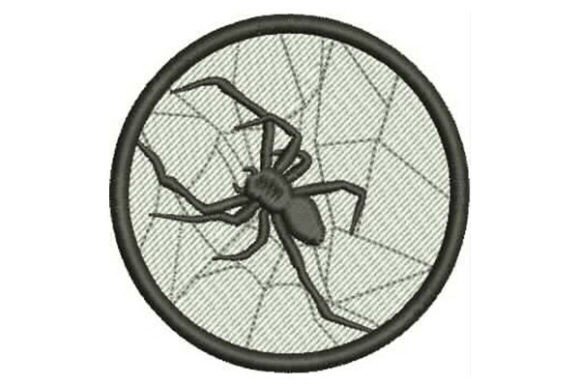
Spider Embroidery Design Review
When I first opened the file for this Spider design, my immediate reaction was a mix of intrigue and caution. As a designer who has stitched thousands of motifs for clients ranging from boutique clothing brands to personal gift orders, I know that not every trendy graphic translates well into thread. This piece is marketed as a modern, eye-catching accent for fabrics, but does it hold up under the needle? After running through several test stitches and visualizing how it would look on various products, here is my honest breakdown of how this machine embroidery design performs in real-world applications.
First Impressions: Mood and Visual Personality
The aesthetic of this Spider motif leans heavily into contemporary minimalism with a touch of seasonal flair. It is clearly positioned within the Halloween category, yet it avoids the cliché of overly cartoonish or grotesque imagery. Instead, it offers a sleek, geometric interpretation that feels fresh rather than dated. For an Etsy seller or small business owner looking to expand their holiday inventory without resorting to tacky tropes, this design strikes a balance between spooky and stylish.
Visually, the layout is compact. The spider’s silhouette is distinct, relying on negative space and clean lines rather than excessive detail. This makes it highly versatile. It doesn’t scream for attention; instead, it acts as a sophisticated accent. Whether you are placing it on the chest of a sweatshirt or centering it on a tote bag, the design commands respect without overwhelming the garment. It feels like a piece that belongs in a curated shop, not a discount bin.
Real-World Application: Where This Design Shines
In my experience, the success of an embroidery project often depends on where the design is placed. I have visualized this Spider motif in several specific scenarios, and some work far better than others.
- Tote Bags and Canvas Goods: This is perhaps the strongest use case. A sturdy canvas tote provides a perfect flat surface for the design to breathe. When stitched in high-contrast threads, such as white or metallic gold on black canvas, the spider embroidery becomes a striking statement piece. It elevates a simple accessory into a fashionable item suitable for fall festivals or Halloween parties.
- Custom Apparel and Sweatshirts: For small-batch apparel production, this design works exceptionally well as a left-chest logo or a larger back print. On dark-colored hoodies, the clean lines pop beautifully. However, I recommend avoiding placement on heavy textured fabrics like thick waffle knits, as the fine details may get lost in the weave.
- Baby and Nursery Items: Because the design is modern and not overly aggressive, it can be adapted for nursery decor or baby blankets. Used sparingly, perhaps in a monochromatic color scheme, it adds a unique, artistic touch to a child’s room. It moves away from traditional "cute" themes and offers something more editorial.
- Kitchen Towels and Aprons: For the home goods market, this design adds a playful yet chic element to kitchen textiles. A custom apron featuring this spider could appeal to bakers and crafters who enjoy seasonal decor. It is a great conversation starter at craft fairs or farmers markets.
Technical Considerations and Stitch Performance
From a technical standpoint, the integrity of the stitch work is paramount. While the provided description highlights the design's trendy nature, I must advise caution regarding stitch density. Designs that rely on thin legs and delicate body segments can sometimes suffer from thread breaks or poor coverage if the density is too low. Conversely, if the fill areas are too dense, the fabric may pucker, especially on lighter materials.
Before committing to a full production run, always test the embroidery file on scrap fabric. Pay close attention to the satin stitch edges around the spider’s legs. If they appear jagged or loose, you may need to adjust your tension or switch to a different stabilizer. Using a cut-away stabilizer is generally recommended for stretchy fabrics like jersey or fleece to prevent distortion during wear.
Another critical factor is thread colors. The design’s impact relies heavily on contrast. On light fabrics, darker threads will define the shape clearly. On dark fabrics, lighter or metallic threads are necessary to ensure the spider is visible. I also suggest testing the design in a black-and-white mockup. This helps verify that the shapes remain distinct even without the aid of color, ensuring the design holds up visually in any lighting condition.
Where to Exercise Caution
Not every product is a good candidate for this specific design. Here are areas where you should proceed with care:
- Small Hoop Sizes: If the design requires a hoop smaller than 4x4 inches, inspect the fine details closely. Tiny stitching can become muddy and lose its crispness.
- Textured Fabrics: Avoid placing this design on bouclé, heavy tweed, or plush velvet. The uneven surface can interfere with the needle path, leading to skipped stitches or misalignment.
- Curved Surfaces: While caps and hats are popular customization items, the curvature can distort straight lines. If you plan to embroider this on a cap, ensure the design is digitized specifically for curved surfaces to maintain proportion.
- Frequent Washing: For items that will undergo heavy laundering, such as work uniforms or children’s play clothes, ensure the design uses durable thread and proper backing. Over time, intricate designs can fray if not anchored correctly.
Impact on Brand and Customer Perception
For commercial embroidery projects, the quality of the design directly influences customer trust. A poorly executed stitch job can make a handmade product look cheap, whereas a clean, precise application signals professionalism. This Spider design, when stitched well, enhances the perceived value of the finished product. It suggests that the creator pays attention to detail and trend awareness.
Furthermore, the design’s versatility allows for strong brand consistency. You can use variations of this motif across different product lines—apparel, accessories, and home goods—creating a cohesive collection. For digital sellers offering digital embroidery files, providing high-quality printable mockups that showcase the design on various backgrounds can significantly boost sales by helping buyers visualize the final result.
Final Verdict for Designers and Makers
Overall, this Spider embroidery design is a solid addition to any modernist’s library. It avoids the trap of being too niche or too generic, finding a sweet spot that appeals to a wide audience. It is particularly effective for holiday embroidery projects that aim for sophistication over silliness.
However, remember that the file is only half the equation. Success depends on your preparation. Check the hoop size requirements, select the appropriate stabilizer, and choose threads that complement the fabric texture. Confirm your licensing rights before selling finished items or using the design in design assets for clients. By taking these practical steps, you can transform this simple digital motif into a standout handmade product that resonates with customers and drives engagement for your craft business.