Polar Bear Embroidery Design Review
As a designer who spends more time than I care to admit staring at stitch patterns and testing fabric samples, I approach every new embroidery design with a mix of curiosity and skepticism. We have all seen the digital previews that look flawless on screen but turn into a tangled mess on the hoop. That is why I take a practical, real-world approach when evaluating assets for my own studio or for recommending to fellow crafters and small business owners. Today, I am putting the spotlight on the Polar Bear machine embroidery design. While categorized under Christmas themes, this piece has a versatility that extends far beyond the holiday season, making it a intriguing candidate for year-round use in custom apparel and home decor.
First Impressions: Mood and Visual Personality
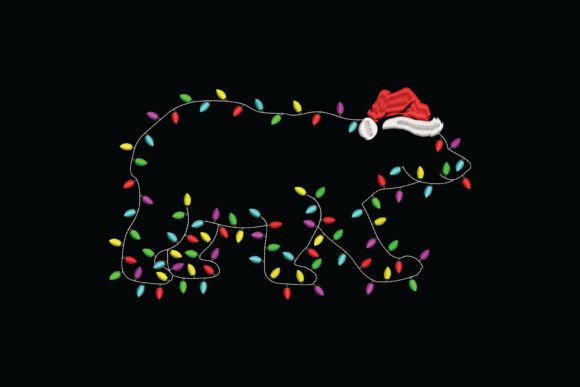
The immediate visual impact of the Polar Bear design is one of clean, modern charm. Unlike overly complex wildlife designs that rely on hundreds of thousands of stitches to create texture, this design leans into a stylized aesthetic. It feels crisp and graphic, which is exactly what you want when working with limited hoop sizes or when targeting a younger demographic. The shape is recognizable without being cartoonish, striking a balance that appeals to both hobbyists looking for a fun weekend project and professional decorators aiming for a boutique-quality finish.
In terms of layout, the composition is centered and balanced, which makes it incredibly forgiving during digitizing placement. For those of us who have struggled with designs that drift off-center or require tedious re-hooping, this is a relief. The visual personality is friendly and inviting. It does not scream for attention with aggressive colors or chaotic details; instead, it offers a quiet confidence that works well on neutral backgrounds. Whether you are creating a personalized gift for a child or adding a subtle logo to a corporate swag item, the mood here is approachable and safe.
Real-World Application: From Screen to Stitch
I recently considered using this embroidery file for a batch of custom tote bags intended for a local winter market. The concept was simple: sturdy canvas bags paired with a soft, embroidered motif. The Polar Bear design fit this scenario perfectly. On a natural-colored canvas, the design would pop without overwhelming the bag’s structure. It transforms a generic product into a handmade product with character.
Beyond totes, I see this design thriving in the realm of baby items. A tiny embroidered bear on a muslin blanket or a onesie carries an emotional weight that customers respond to. It suggests warmth and care, which are key selling points for custom apparel in the nursery niche. Similarly, for holiday embroidery, placing this bear on a kitchen towel or a tea towel creates an instant festive vibe without needing snowflakes or reindeer. It taps into the cozy, hygge aesthetic that is currently dominating interior design trends.
For Etsy sellers and small shop products, the appeal lies in its adaptability. You can sell the same design on a sweatshirt in December and on a linen pillow cover in June. This flexibility reduces inventory risk and allows you to test different price points. When you list this as a digital embroidery file or a finished good, the broad applicability increases your chances of conversion because you are not limiting your audience to just Christmas shoppers.
Technical Performance and Stitch Clarity
When evaluating any machine embroidery design, I always think about how the stitches interact with the fabric. The Polar Bear appears to utilize a healthy mix of satin stitches for outlines and fill stitches for body mass. This combination generally ensures good coverage and a polished look. However, the success of this execution depends heavily on the thread colors chosen by the embroiderer.
If you are using white thread on a white shirt, the design will disappear. If you use black thread on a dark navy hoodie, you might lose definition in the finer details. Therefore, checking thread colors against your fabric choice is non-negotiable. I recommend testing high-contrast combinations first. For example, a cream bear on a charcoal gray sweatshirt offers a sophisticated, muted look that feels very contemporary. Conversely, a bright blue bear on a white background will feel playful and energetic.
The stitch density seems moderate, which is a positive sign for durability. Designs that are too dense can become stiff and uncomfortable to wear, especially on baby clothes or delicate linens. Moderate density allows the fabric to drape naturally while still providing enough ink (or thread) to hold its shape after multiple washes. This is crucial for commercial embroidery where customer satisfaction relies on longevity.
Where Caution Is Needed
While this design is versatile, it is not without its challenges. Placing this on curved surfaces like caps or hats requires careful hooping and possibly a flexible stabilizer to prevent puckering. The rounded shapes of the bear may distort if the fabric stretches too much during stitching. Additionally, if you plan to use this on thin fabrics like silk or lightweight rayon, you must be vigilant about backing choices. Without proper support, the satin stitch edges can pull and pucker, ruining the clean lines that make this design attractive.
Another area to watch is small detail resolution. If you attempt to downscale this design significantly for a small chest logo on a polo shirt, some of the finer contours might merge together. Always inspect the digitizing closely if you plan to shrink the output. Furthermore, on textured fabrics like chunky knits or fleece, the needle penetration can be inconsistent, leading to skipped stitches. In these cases, a cut-away stabilizer is essential to anchor the threads properly.
Designer’s Checklist for Success
Before committing to a large production run or listing this as a craft business asset, I advise running through a few practical checks:
- Test on Scrap Fabric: Never assume the digital preview matches the physical result. Stitch a sample on the exact fabric you intend to use.
- Check Hoop Size: Confirm that the design dimensions fit comfortably within your standard hoops, leaving room for maneuvering.
- Review Stitch Density: Zoom in on the digitizing to ensure there are no unnecessary jumps or trims that could weaken the design.
- Mockup in Black and White: Convert your design mockup to grayscale to check contrast levels. If it looks muddy in black and white, it will likely look muddy in color.
- Stabilizer Selection: Match the stabilizer to the fabric weight. Heavy tear-away for stable wovens, cut-away for knits and stretchy materials.
- Licensing Verification: Ensure you have the right to sell finished items made from this design assets package. Commercial licenses vary widely between creators.
Final Verdict
The Polar Bear embroidery design is a solid, reliable addition to any library. It avoids the pitfalls of over-complication and delivers a clean, marketable aesthetic. For apparel decorators looking to expand their holiday catalog or makers seeking a charming theme for baby gifts, this design hits the mark. It respects the medium of embroidery by prioritizing clarity and wearability over excessive detail. With proper preparation and thoughtful fabric pairing, this design can elevate a simple commodity into a cherished finished product. It is a smart choice for anyone looking to add a touch of whimsy and professionalism to their creative output.