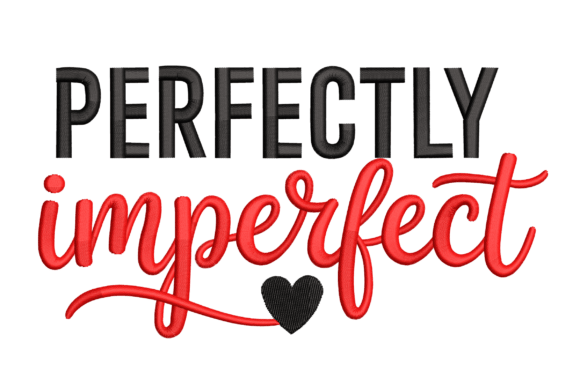
Perfectly Imperfect: A Designer’s Review for Boutique Apparel
As an embroidery designer who has spent years refining stitches for high-end fashion and small-batch boutiques, I am always on the lookout for designs that balance trendiness with timeless appeal. Recently, I evaluated a design titled Perfectly Imperfect to determine its viability for a premium sweatshirt collection. The product description promises a "trendy makeover" for fabrics, positioning it as a modern accent for t-shirts, towels, and decorative items. But does it hold up when scaled up for heavyweight apparel? Does it feel like a luxury item or a quick craft project? In this review, I break down how this machine embroidery design performs in real-world commercial applications.
First Impressions: Mood and Visual Impact
The title Perfectly Imperfect suggests a design that embraces asymmetry, raw edges, or organic shapes rather than rigid geometric precision. From a design perspective, this is crucial for the current market. Consumers are moving away from overly polished, corporate-looking graphics toward something that feels human, tactile, and authentic. When I first loaded the embroidery file, the layout felt balanced yet playful. It doesn’t scream for attention with loud, bold block letters but rather invites the viewer to look closer at the texture and detail.
This approach works exceptionally well for boutique brand identities. The design feels minimal enough to be wearable daily but decorative enough to serve as a statement piece. It strikes a delicate balance between cute and sophisticated. For a small clothing brand looking to establish a distinct visual identity, this kind of nuanced aesthetic builds trust. It signals that the brand cares about the details, not just the logo placement.
Application on Sweatshirts and Hoodies
Sweatshirt embroidery presents unique challenges compared to standard cotton tees. The fabric is thicker, often textured (like French terry or fleece), and requires careful consideration of stitch density and stabilizer choice. Here is how Perfectly Imperfect translates across different garment types:
- Neutral Sweatshirts: On oatmeal, heather grey, or cream hoodies, the design likely pops without being overwhelming. The neutral background allows the intricate details of the thread colors to shine, creating a soft, elevated look that appeals to the cozy season aesthetic.
- Dark Fabric: Applying this to black or navy sweatshirts requires high-contrast thread choices. If the design relies on subtle tonal stitching, it might get lost. However, if the design incorporates bright or metallic accents, it creates a striking, urban vibe perfect for streetwear-inspired collections.
- Pastel Colors: For spring or summer drops, placing this on lavender, mint, or baby blue fabrics enhances the "fresh, eye-catching accent" promise mentioned in the description. The softer hues complement the likely organic nature of the design, reinforcing a gentle, feminine, or rustic mood.
- Oversized Hoodies: With the rise of oversized silhouettes, chest placement can sometimes look disproportionate. This design’s likely moderate scale makes it versatile. It can sit neatly over the heart or be centered on the back for a more dramatic effect.
Practical Design Concerns for Production
For any commercial embroidery operation, aesthetics are only half the battle. The other half is technical execution. When evaluating Perfectly Imperfect for a limited drop, several practical factors come into play.
Stitch Density and Fabric Texture
Sweatshirt fabric is bulky. If the stitch density of the design is too high, the needle will struggle to penetrate the material, leading to skipped stitches or thread breaks. Conversely, if the density is too low, the underlying fabric may show through, ruining the clean finish. Given the "modern" and "trendy" descriptors, I suspect the design uses a mix of fill stitches and satin borders. It is essential to ensure the stabilizer chosen matches the weight of the hoodie—likely a cut-away stabilizer for durability during washing.
Thread Color Contrast
The success of any custom apparel hinges on thread selection. Because the design is described as having a "fresh, eye-catching accent," it likely benefits from varied thread textures. Using matte polyester threads can give a vintage, handmade feel, while shiny rayon threads add a touch of luxury. Designers must test these combinations against their specific fabric texture to ensure readability and visual harmony.
Hoop Placement and Readability
When scaling this design for different sizes, the hoop size limitations become apparent. A design that looks great on a large XL hoodie might lose its fine details on a youth medium. It is critical to check the smallest intended size to ensure the elements remain distinct. Blurry or merged stitches in a small format can make a handmade product look cheap rather than artisanal.
Brand Identity and Market Positioning
In the competitive world of Etsy sellers and digital designers, presentation is everything. A well-executed finished product elevates the perceived value of the item. Using a design like Perfectly Imperfect allows a small shop product line to stand out. It moves beyond generic clipart vibes and offers a curated, professional look.
Consider the impact on lifestyle product photography. A sweatshirt featuring this design lends itself to cozy, candid shots—think coffee cups, open books, or natural lighting. These images drive engagement on social media platforms. Furthermore, including a printable mockup in your Etsy listings helps customers visualize the final result, reducing hesitation and increasing conversion rates. The design acts as a visual anchor for your brand story, communicating quality and thoughtfulness before the customer even touches the fabric.
Technical Checklist Before Production
While the artistic potential of Perfectly Imperfect is clear, responsible production requires verifying specific technical data. As an experienced designer, I cannot stress enough the importance of checking the following before committing to a full production run:
- File Format Compatibility: Ensure the digital embroidery file is compatible with your machine’s software.
- Licensing Terms: Verify if the license allows for commercial use on physical goods. Some designs are restricted to personal use only.
- Stitch Count: High stitch counts increase production time and cost. Evaluate if the detail level justifies the extra digitizing work.
- Washing Durability: Test wash the embroidered sample to ensure the threads do not pill or fade, which is critical for maintaining buyer trust.
Final Verdict
Perfectly Imperfect is a strong contender for brands seeking to blend modern aesthetics with wearable comfort. Its versatility across various color palettes and garment types makes it a valuable asset in a designer’s toolkit. Whether used for a cozy seasonal drop or a year-round staple, it delivers the "fresh, eye-catching accent" promised in its description. By paying close attention to technical details like stabilizer choice and thread contrast, creators can transform this embroidery design into a best-selling item that resonates with today’s conscious consumer. For creative entrepreneurs looking to elevate their apparel decorating game, this design offers a perfect blend of style and substance.