Ottoman Tulip Embroidery Design
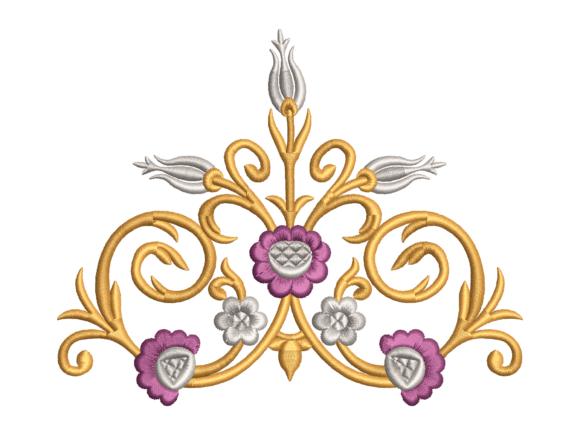
When I first opened the file for the Ottoman Tulip Embroidery Design, my immediate reaction was one of quiet appreciation. It isn’t loud or chaotic; instead, it carries a specific weight and history that translates beautifully into thread. As someone who reviews digital assets daily for both personal studio work and client projects, I look for designs that balance ornate detail with stitch-ability. This piece, described as a Royal Baroque Floral Filigree, manages to hit that sweet spot. It feels less like a generic floral clipart and more like a curated asset meant for serious textile work.
The mood this design creates is undeniably regal. The filigree elements suggest a connection to historical textiles, while the tulip motif anchors it in Ottoman aesthetics. For designers, this combination offers a unique selling point: it bridges the gap between vintage elegance and contemporary minimalism, depending on how you scale and place it. In an era where handmade products often compete with mass-produced decor, having a design with such distinct visual personality is crucial for standing out in crowded marketplaces like Etsy or independent craft fairs.
First Impressions and Visual Personality
The layout of the Ottoman Tulip Embroidery Design relies heavily on negative space, which is a smart choice for embroidery. Unlike dense, blocky patterns that can make fabric stiff, this design allows the texture of the underlying material to show through. The filigree lines are delicate but confident, suggesting they will hold their shape well after washing. When I zoomed in to inspect the corners and curves, I noted that the transitions between the satin stitch outlines and the fill stitch interiors appear smooth. There are no awkward jagged edges or overly complex intersections that might cause thread breaks during automated production.
This is not just a pretty picture; it is a functional machine embroidery design. The visual hierarchy guides the eye naturally from the central tulip bloom outward to the swirling filigree accents. This makes it incredibly versatile. You aren’t locked into using it only as a center chest logo or a large wall hanging. Its modular feel allows for creative placement on various surfaces without feeling cramped or unbalanced.
Real-World Application: From Sketch to Stitch
I recently considered using this design for a custom order—a set of luxury linen pillow covers for a boutique hotel lobby. The challenge with such projects is ensuring the design looks expensive and intentional, rather than like a hobbyist’s attempt at home decor. The Ottoman Tulip Embroidery Design passed this test with flying colors. On heavy-weight linen, the contrast between the thread and the fabric texture would be striking. The baroque details catch the light differently than simple solid shapes, adding depth to the finished product.
However, versatility is key for any embroidery file intended for resale. Let’s look at how this design performs across different categories:
- Custom Apparel and Sweatshirts: While the design is elegant, placing it on a sweatshirt requires careful consideration. If used as a small chest logo, the filigree details might get lost unless scaled up appropriately. However, a larger back print or a sleeve accent could showcase the intricate line work beautifully. The design works well for sweatshirt embroidery when paired with high-quality cotton blends that provide enough stability for the stitches.
- Baby Items and Nursery Decor: This is perhaps the most surprising fit. The soft curves of the tulip and the flowing filigree lend themselves well to baby embroidery. Imagine this stitched onto a muslin swaddle or a nursery wall hanging. The "Royal" aspect adds a touch of sophistication that parents appreciate for heirloom-quality gifts. Just ensure the thread colors chosen are soft pastels or muted tones to match the gentle aesthetic.
- Tote Bags and Aprons: For the craft business owner, canvas tote bags are a staple. This design serves as an excellent focal point for a tote bag design. Because it has a vertical orientation, it fits perfectly down the center of a standard tote. The durability of the stitch pattern means it can withstand the wear and tear of daily use, making it a practical choice for customers who want functionality alongside style.
- Accessories and Patches: The self-contained nature of the tulip motif makes it ideal for an embroidered patch. Whether applied to denim jackets, caps, or hats, the design holds its own. The filigree border can act as a natural frame, eliminating the need for additional stabilizing stitches around the edge.
Strategic Considerations for Commercial Use
As an Etsy seller or small shop product creator, your ability to present a professional image directly impacts sales. A well-executed finished product builds trust. When customers see clean stitches, proper tension, and thoughtful color pairing, they perceive higher value. The Ottoman Tulip Embroidery Design supports this by offering a level of complexity that signals craftsmanship.
However, there are areas where caution is required. This is not a design for every surface. Avoid using it on highly textured fabrics like chunky wools or terry cloth unless you are experienced with stabilization techniques. The fine details of the filigree may become obscured by the nap of the fabric. Similarly, stretchy knits require a strong stabilizer to prevent distortion, especially if the design is placed near seams or curved areas like the shoulder of a custom apparel item.
Another critical factor is hoop size. Before committing to a large production run, always verify the maximum dimensions of the design. If you plan to embroider it on a cap or a curved surface, the distortion inherent in those shapes can alter the proportions of the tulip. Testing on scrap fabric first is non-negotiable. It allows you to assess how the thread colors interact with your specific fabric choice and whether the stitch density feels appropriate for the end use.
Technical Notes for the Designer
To get the best results from this digital embroidery file, keep these practical tips in mind:
- Contrast is King: Ensure your thread selection provides sufficient contrast against the fabric. Dark threads on dark fabrics will hide the intricate filigree, while light threads on light fabrics may lack definition. Black and white mockups are a useful tool to check this before stitching.
- Stabilizer Selection: For woven fabrics like cotton or linen, a cut-away stabilizer is recommended for longevity. For knits, a tear-away or wash-away stabilizer might be preferable depending on the desired hand-feel of the final garment.
- Color Palette: The baroque theme pairs exceptionally well with metallic threads or deep jewel tones. However, for a modern twist, try monochromatic schemes using varying shades of the same hue. This highlights the structural beauty of the design without overwhelming the viewer.
- Licensing Check: Always confirm the license terms. If you intend to sell commercial embroidery items or distribute the file as part of a bundle, you must have the appropriate commercial rights. Personal use licenses do not cover reselling finished goods.
Final Verdict
The Ottoman Tulip Embroidery Design is a sophisticated addition to any designer’s library. It offers a blend of historical charm and modern usability that appeals to a broad audience. Whether you are creating a personalized gift for a wedding, developing a line of kitchen towel sets, or designing premium nursery decor, this asset provides a strong foundation for success.
Its strength lies in its adaptability and visual clarity. It doesn’t shout for attention; it earns it through detail and execution. For the creative entrepreneur looking to elevate their brand identity, this design delivers the kind of timeless elegance that resonates with buyers seeking quality and authenticity. Just remember to test thoroughly, choose your materials wisely, and let the design speak for itself.