Ladybug on Leaf Embroidery Review
As a designer who spends more time than I care to admit staring at stitch charts and testing thread tensions, I approach every new embroidery file with a mix of optimism and skepticism. We all know the drill: a design looks perfect in the software preview but turns into a tangled mess or a muddy blob once it hits the fabric. Today, I am putting that skepticism aside to evaluate Ladybug on Leaf, a nature-inspired piece that promises to bring a touch of garden elegance to your hoop. But does it hold up under the scrutiny of real-world production? Let’s dive into how this design performs when you move from digital asset to finished product.
First Impressions and Visual Personality
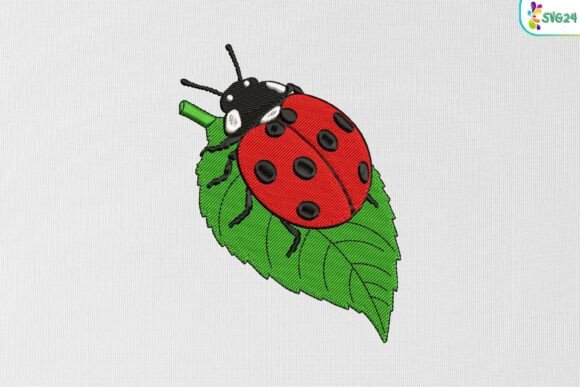
The moment you load Ladybug on Leaf into your digitizing software, the mood is immediately established. It is not just a bug; it is a scene. The composition features a vibrant red ladybug resting on a detailed green leaf, creating a natural focal point that feels both playful and sophisticated. For designers looking to add personality without overwhelming a garment, this is a sweet spot.
The visual appeal lies in its balance. The curve of the leaf provides a soft, organic foundation that contrasts nicely with the rounded, geometric shape of the ladybug. In terms of stitch density, the design appears to utilize a mix of techniques effectively. The leaf likely employs a fill stitch to create a lush, textured surface, while the ladybug itself relies on satin stitches for its outline and perhaps running stitches for delicate details like antennae or spots. This variety prevents the final output from feeling flat or overly plastic, which is a common pitfall in insect-themed embroidery.
For an Etsy seller or craft business owner, this aesthetic is gold. It taps into the enduring popularity of cottagecore, nursery decor, and nature-loving themes. It feels timeless rather than trendy, meaning your inventory won’t look outdated next season.
Real-World Application: From Hoop to Handmade Product
Let’s talk about where this design actually shines. I recently imagined using Ladybug on Leaf for a custom order of baby onesies and muslin blankets. Why? Because the color palette—classic red against fresh green—is universally appealing and gender-neutral enough to fit any nursery theme. When stitched onto a soft cotton muslin with a light stabilizer, the contrast pops beautifully. The ladybug becomes a delightful surprise, a tiny guardian of the garden right over the heart or chest area of a baby’s outfit.
But don’t limit yourself to baby items. This design is incredibly versatile for custom apparel. Imagine it centered on the front pocket of a denim jacket or embroidered near the hem of a linen tote bag. As a tote bag design, it works particularly well because the leaf motif complements the casual, earthy vibe of canvas bags. It elevates a simple accessory into a boutique-quality item that customers are willing to pay a premium for.
I also see strong potential here for holiday gifts. During spring or summer craft fairs, a collection of embroidered kitchen towels featuring this motif would fly off the table. The "nature" angle resonates deeply with people who enjoy cooking and home aesthetics. Furthermore, as a personalized gift, adding a name or date near the leaf can turn this simple design into a cherished keepsake for birthdays or baby showers.
Where Caution Is Required
While Ladybug on Leaf is charming, no design is universal. There are specific scenarios where this pattern might struggle, and as a professional, you need to know these limitations before committing to a bulk run.
- Small Hoop Sizes: If you are attempting to stitch this on very small items like socks or tiny hair bows, you may find the detail level gets lost. Always check the hoop size requirements. If the design is too large for the item, the ladybug might lose its distinct shape, merging into a red smudge.
- Textured and Stretchy Fabrics: Embroidery on stretchy knits requires extra care. Without a proper cut-away stabilizer, the tension of the threads can pucker the fabric, distorting the leaf’s curve. Similarly, on highly textured fabrics like heavy tweed or bouclé, the fine details of the ladybug’s spots might get swallowed by the fabric’s weave.
- Dark Fabric Challenges: While red stands out on white, stitching a bright red ladybug on black or navy fabric can sometimes result in a loss of vibrancy depending on the thread sheen. You must test the thread colors against your specific fabric batch. A matte red thread might disappear, whereas a high-sheen polyester thread will gleam against dark backgrounds.
- Dense Stitch Areas: If the design uses a very dense fill stitch for the leaf, it may become stiff. This is a critical consideration for apparel decorators working with lightweight t-shirts. A stiff patch of embroidery can feel uncomfortable against the skin, leading to customer returns. Ensure the underlay stitches are balanced to keep the fabric pliable.
Design Notes for the Professional Digitizer
Before you start pumping out hundreds of units, there are several technical checks you should perform. First, always test the design on scrap fabric that matches the texture and weight of your final product. This is non-negotiable. What looks good on poly-spandex might fail on 100% cotton.
Next, inspect the small details. Zoom in on the digitizing software. Are the running stitches for the ladybug’s legs long enough to avoid breaking but short enough to look realistic? If the stitches are too long, they will snag easily, especially on embroidered patches that will be sewn onto bags or jackets. Frayed ends ruin the perception of quality.
I also recommend creating a black-and-white mockup of the design. This helps you evaluate the contrast and layout without being distracted by color. Does the negative space work? Is the ladybug positioned correctly relative to the leaf’s curve? Sometimes, color hides compositional flaws that become obvious when stripped away.
Furthermore, consider the licensing. If you plan to sell these items commercially, verify the terms of the digital embroidery file. Some creators allow unlimited commercial use, while others restrict the number of finished products you can sell. As a small shop product owner, protecting your intellectual property and respecting the original designer’s rights is essential for long-term credibility.
Final Verdict on Value and Appeal
Ultimately, Ladybug on Leaf is a strong contender for anyone looking to expand their design assets library. It strikes a rare balance between simplicity and charm. It is not so complex that it requires hours of machine time, nor is it so simple that it feels generic. This efficiency translates directly to profit margins for commercial embroidery businesses.
The design enhances brand consistency for shops that focus on nature, wellness, or family-oriented themes. It signals attention to detail and care in production. When a customer receives a handmade product with crisp stitches, clear colors, and a cohesive design, their trust in your brand increases. They perceive higher value, even if the base material is inexpensive.
For hobbyists and makers, this project offers a satisfying stitching experience. It is quick enough to complete in an afternoon but detailed enough to feel accomplished. Whether you are making a pillow cover for your own home or a set of holiday embroidery gifts for friends, the results are consistently pleasing.
In conclusion, Ladybug on Leaf is more than just a cute bug; it is a reliable, versatile tool in your creative arsenal. Just remember to respect the fabric, test your tension, and choose your applications wisely. When executed correctly, this design will not only meet expectations but exceed them, turning a simple piece of cloth into a memorable embroidery project that customers will love.