Cute Rabbit Painter Embroidery Design Review
As an experienced embroidery designer who spends hours testing stitches, evaluating thread tension, and planning for commercial viability, I approach every new machine embroidery design with a mix of creative excitement and practical skepticism. When I first laid eyes on the Cute Rabbit Painter, I didn’t just see a file; I saw potential finished products sitting on shelves in boutique gift shops or appearing in the feeds of busy Etsy seller customers looking for that perfect unique touch.
This review is not just about aesthetics. It is about how this embroidery file performs in the hoop, how it translates to real-world items like baby blankets and kitchen towels, and whether it has the emotional resonance required to drive sales for small shop product owners. Here is my honest assessment of using Cute Rabbit Painter for personalized gifts.
First Impressions: Charm and Emotional Appeal
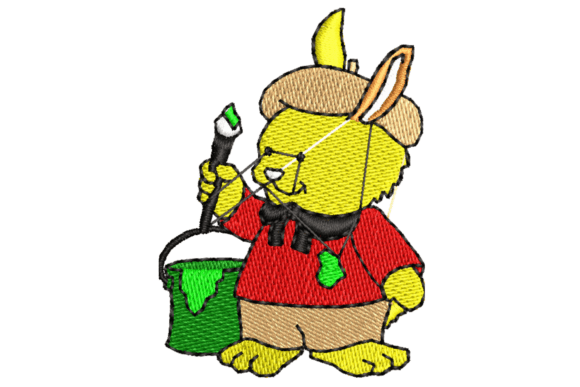
The immediate charm of Cute Rabbit Painter lies in its playful narrative. We are presented with a cheerful yellow rabbit dressed in a red shirt and hat, holding a paintbrush and a bucket of green paint. This isn’t just a static animal portrait; it is a character with a story. For buyers, especially those shopping for baby embroidery or nursery decor, this sense of whimsy is powerful.
The color palette—yellow, red, and green—is vibrant yet classic. It feels sweet without being overly saccharine, and modern without losing that handmade warmth. When you look at a printable mockup of this design on a white cotton pillow cover, the contrast pops beautifully. However, as a designer, I am always thinking about the "vibe" it projects. Does it feel elegant? Yes, in a playful way. Does it feel romantic? Not directly, but it evokes the innocence of childhood creativity, which makes it highly suitable for wedding favors aimed at younger couples or family keepsakes celebrating new beginnings.
Product Applications: From Nursery to Kitchen
One of the strongest selling points of Cute Rabbit Painter is its versatility across multiple categories. It is not limited to one type of customer. Here is how I envision this design performing on specific items:
- Baby Blankets and Nursery Items: The soft, cartoonish style of the rabbit makes it ideal for a baby’s room. Placed centrally on a receiving blanket or off-center on a muslin swaddle, it adds personality without overwhelming the fabric. Parents love designs that spark joy and imagination, and this bunny does exactly that.
- Kitchen Towels and Aprons: Because the rabbit is holding a paintbrush and a bucket, there is a subtle artistic theme that bridges well into home goods. An embroidered towel hanging in a craft room or a child’s apron used for messy play sessions feels thematic and cohesive. The bright colors stand out against neutral linen or white cotton, making it a great custom embroidery option for craft fair booths.
- Tote Bags and Totes: For the digital embroidery file market, tote bags are a staple. This design works exceptionally well on canvas totes. The bold outlines of the rabbit ensure legibility even from a distance, which is crucial for brand visibility when customers carry these bags around town.
- Wedding Keepsakes: While not a traditional floral motif, this design can be repurposed for bridal showers or bachelorette parties with an arts-and-crafts theme. Imagine customizing these for guests to take home as parting gifts, perhaps paired with actual art supplies.
Where to Use Caution: Technical Limitations
Even the most charming designs have technical boundaries. As a professional, I must advise against using Cute Rabbit Painter in certain scenarios where detail loss or structural failure might occur.
Fabric Texture and Thickness: Thick terry cloth towels can sometimes obscure fine details. If your stitch density is high, the fabric may pucker. Always test on scrap fabric first. Similarly, textured fabrics like heavy waffle weaves can hide the smooth curves of the rabbit’s face.
Stretchy Fabrics: Avoid placing this design on stretchy baby clothes or jersey knits unless you use a stabilizer specifically designed for knits. Without proper support, the hoop marks may remain visible, or the design may distort during wear.
Small Lettering and Delicate Details: If the design includes small text or very thin lines, be cautious. On dark fabric, light threads may require additional underlay stitches to prevent showing through. Conversely, on light fabric, dark threads might bleed if the fabric quality is low. Always check thread color contrast before committing to a full production run.
Boosting Giftability and Perceived Value
In the world of handmade products, perceived value is everything. A well-executed personalized gift feels more expensive than its material cost suggests. Cute Rabbit Painter contributes to this perception by offering a complete visual package. The combination of the character and the props (paintbrush, bucket) tells a story that resonates emotionally with buyers.
When you photograph your finished product for an online listing, this design provides excellent visual interest. The red hat and green paint bucket create natural focal points that draw the eye. This helps increase buyer engagement and trust, as customers can clearly see the quality of the stitching and the vibrancy of the thread colors.
For wedding gift designers, adding a personal monogram near the rabbit can elevate the item from a simple craft to a premium keepsake. The emotional connection formed by combining a cute character with a personal name is a proven strategy for increasing conversion rates on platforms like Etsy.
Practical Embroidery Notes for Success
To ensure your Cute Rabbit Painter projects are successful, follow these practical steps:
- Test on Scrap Fabric: Never go straight to the final product. Stitch the design on a piece of the same fabric you plan to use. This allows you to check for puckering, tension issues, and color accuracy.
- Check Stitch Density: Ensure the stitch density is appropriate for the fabric weight. Too dense, and the fabric will stiffen; too sparse, and the fabric may show through the stitches.
- Confirm Hoop Size: Verify that the design fits within your intended hoop size. If the design is large, consider splitting it or choosing a larger hoop to avoid re-hooping, which can misalign the artwork.
- Use Proper Stabilizer: Match your stabilizer to your fabric. Cut-away stabilizers are generally best for garments and items that will be washed frequently, while tear-away may suffice for decorative pillows or一次性 items.
- Review Small Details: Zoom in on the digital file before stitching. Check the paintbrush handle and the rabbit’s facial features. These small details make or break the cuteness factor.
- Commercial Licensing: Before selling any finished products, confirm your commercial licensing rights. Ensure you are allowed to sell items made from this digital embroidery file. This protects your business and respects the designer’s work.
Final Thoughts
Cute Rabbit Painter is a delightful addition to any embroidery library. Its blend of playful character and clear visual structure makes it a versatile choice for baby animals themed collections, nursery decor, and thoughtful personal gifts. By paying attention to fabric choice, stabilizer usage, and presentation, you can turn this simple design into a high-value handmade product that customers will cherish.
Whether you are creating for a local craft fair or building an online store, this design offers a strong foundation for creativity. Just remember to test thoroughly, respect the technical limitations, and let the charm of the little painter do the talking. With careful execution, Cute Rabbit Painter can become a standout item in your catalog, appealing to anyone who loves a bit of whimsy in their daily life.