Cute Captain Lobster Embroidery Design Review
As an embroidery designer who spends hours fine-tuning stitch paths and optimizing file structures for commercial production, I approach every new digital asset with a critical eye. We aren’t just looking for something "cute"; we are looking for viability. Can this design survive the hoop? Will it translate well onto different fabrics? Does it add value to a small business’s brand identity? Today, I am reviewing the Cute Captain Lobster Embroidery Design, a nautical-themed piece that promises to add a touch of charm to creative projects. For small business owners, Etsy sellers, and apparel decorators, understanding the practical application of such a design is crucial before committing to bulk production.
First Impressions: Visual Personality and Brand Fit
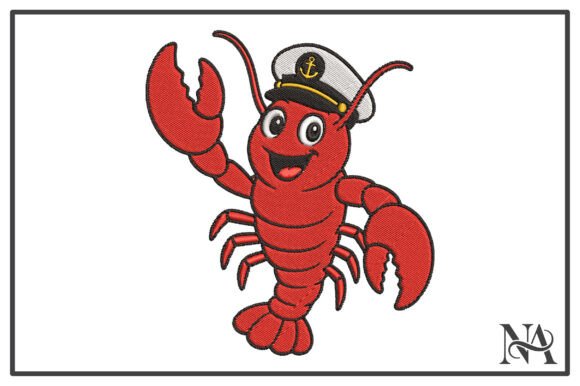
The title Cute Captain Lobster Embroidery Design immediately sets a playful, friendly tone. In the world of brand identity, personality is everything. This design does not scream corporate rigidity; instead, it whispers approachability and whimsy. It feels handmade, warm, and inviting. For businesses in the food and beverage sector—such as local cafes, bakeries, or seafood restaurants—this aesthetic aligns perfectly with customer expectations. It suggests a place where service is personal and products are crafted with care.
However, "cute" can sometimes border on "childish" if not executed with professional precision. From a designer’s perspective, the success of this embroidery file hinges on its execution. The nautical sea art elements need to be balanced so that the lobster character remains the focal point without being overwhelmed by excessive decorative details. If the design is too busy, it risks losing its impact when scaled down for smaller merchandise items. The visual weight needs to be distributed evenly to ensure that the final product looks premium rather than cluttered.
Real-World Business Applications
Let’s move beyond theory and look at how the Cute Captain Lobster Embroidery Design performs in actual commercial embroidery scenarios. Small business merch often relies on versatility. A single design must work across multiple touchpoints to create a cohesive brand experience.
- Embroidered Patches: This design is ideal for creating iron-on or sew-on patches. These can be used as badges on denim jackets, backpacks, or client appreciation gifts. The distinct character outline makes it easily recognizable even when reduced in size.
- Staff Uniforms and Aprons: Imagine a beachside cafe or a coastal boutique. Placing this design on the chest pocket of a white apron or the left breast of a staff shirt adds a pop of color and personality. It humanizes the workforce, making employees appear more approachable to customers.
- Cap Embroidery: The curved surface of a baseball cap or a bucket hat requires a design with clear, bold lines. If the Cute Captain Lobster has clean contours, it will sit beautifully on the front panel, serving as a memorable logo for trade shows or local events.
- Tote Bag Design: Canvas tote bags are staples for handmade product brands. A centered or offset placement of this lobster design can elevate a simple canvas bag into a branded accessory that customers are proud to carry, effectively turning them into walking billboards for your shop.
- Product Packaging Accents: Beyond apparel, this design can be embroidered onto fabric tags attached to retail items. Whether it’s a jar of homemade sauce or a bundle of fresh flowers from a florist, a small embroidered patch adds a tactile, luxurious feel that plastic labels cannot replicate.
Strategic Placement for Maximum Impact
When integrating this digital embroidery file into your product line, consider the narrative. A lobster captain implies leadership, adventure, and ocean life. Use this context to guide your placement. On a uniform, it might represent the team's spirit. On a tote bag, it might suggest a lifestyle of leisure and coastal living. Consistency in these visual cues strengthens customer trust and recognition over time.
Technical Considerations and Potential Pitfalls
Even the most charming design can fail if technical constraints are ignored. As a reviewer, I must highlight areas where caution is needed. Not all fabrics and machines handle intricate designs equally well.
Small Patch Sizes and Stitch Density: If you plan to use this design for tiny patches or small logos, you must evaluate the stitch density. High-density fills can cause puckering, especially on lightweight fabrics like thin cotton tees or delicate synthetics. Ensure the design allows for adequate spacing between stitches to maintain clarity. If the outlines are too thin, they may break or become illegible during washing.
Fabric Texture and Contrast: The effectiveness of thread colors depends heavily on the base material. Dark uniforms require high-contrast thread choices to make the lobster stand out. Conversely, on textured fabrics like burlap or heavy tweed, fine details might get lost. Always test the design on the actual fabric you intend to use. The interaction between the thread colors and the fabric weave is unpredictable without physical testing.
Curved Surfaces: Embroidering on caps or sleeves introduces curvature distortion. Designs that look flat on a computer screen may stretch or distort when pulled tight against a curve. You may need to adjust the digitization or use specific hooping techniques to prevent the lobster’s features from warping.
Wash Durability: Merchandise that undergoes frequent washing, such as aprons and work shirts, needs durable construction. Loose threads or poorly anchored underlay stitches can unravel over time. Verify that the design includes sufficient stabilization and secure start/end points to withstand industrial laundering cycles.
Practical Designer Notes for Production
Before adding the Cute Captain Lobster Embroidery Design to your catalog, follow these essential steps to ensure quality control.
- Test in Black and White: Convert the design to monochrome to check its structural integrity. If the shape holds up without color, it will hold up in any colorway.
- Check Hoop Size Compatibility: Confirm the hoop size required by the file. Ensure it fits within your machine’s capabilities and your product dimensions. A design that is too large for a standard 4x4 hoop may limit your production speed.
- Use Proper Stabilizer: The choice of stabilizer is as important as the thread. Use cut-away stabilizer for stretchy fabrics to prevent distortion, and tear-away for stable wovens. Incorrect stabilization leads to misalignment and poor finish.
- Create a Printable Mockup: Before running expensive fabric tests, generate a printable mockup. Place the design on images of your actual products to visualize scale and placement. This helps in client approvals and marketing materials.
- Verify Commercial Licensing: Most importantly, confirm the commercial licensing terms. Ensure you have the right to sell finished goods featuring this design. Unauthorized use can lead to legal issues and damage your brand’s reputation.
- Inspect Thread Color Contrast: Review the suggested thread palette. Do the colors complement each other? Is there enough contrast between the background and the main subject? Adjusting thread colors digitally can significantly enhance the final look.
Conclusion
The Cute Captain Lobster Embroidery Design offers a strong foundation for small businesses looking to inject personality into their merchandise. Its nautical charm and friendly aesthetic make it suitable for a wide range of applications, from staff uniforms to customer gifts. However, success depends on careful technical execution. By paying attention to stitch density, fabric choice, and proper stabilization, you can transform this digital asset into a high-quality, profitable product line.
For designers and business owners alike, the key is balance. Leverage the design’s visual appeal while respecting the technical limitations of machine embroidery. When done correctly, this lobster captain won’t just be a decoration; it will be a symbol of your brand’s unique character and commitment to quality. Always remember to test thoroughly and verify licensing before production. With the right approach, this embroidery design can become a standout element in your small business merch strategy, driving engagement and fostering loyalty among your customers.